
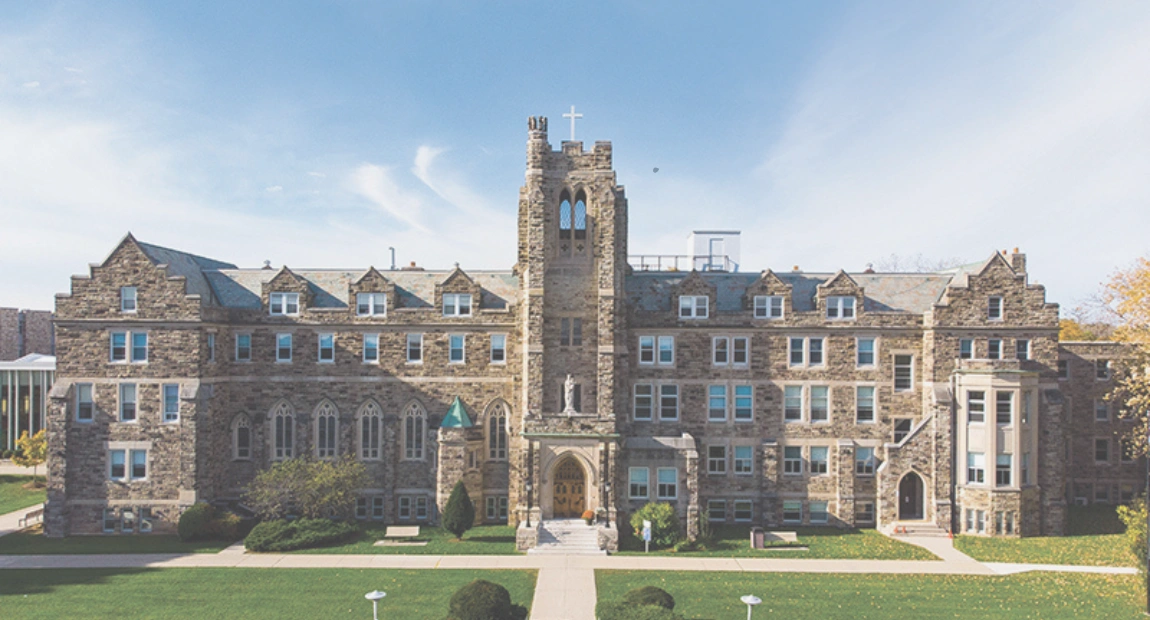
The University of Brescia admission 2026 cycle is expected to attract thousands of applicants who want to study in Italy’s public university system. Located in the Lombardy region of northern Italy, the University of Brescia has gradually become a recognized destination for international students seeking degrees in engineering, economics, law, and medicine.
In this guide, we have explained everything a prospective applicant needs to know about University of Brescia admission for the 2026 intake. It covers eligibility requirements, degree types, application procedures, documents, deadlines, entrance tests, tuition fees, and visa processes.
In other words, the information below is designed to walk through the entire admission pathway in clear detail, especially for international students applying from outside the European Union.
Overview of University of Brescia (UNIBS)
The University of Brescia, commonly abbreviated as UNIBS, is a public university founded in 1982 in the city of Brescia, Italy. The institution offers undergraduate degrees, integrated master’s programs, postgraduate degrees, and doctoral research programs across several academic departments.
Most academic programs fall under four primary areas:
- Engineering
- Economics and Management
- Law
- Medicine and Surgery
International students apply through the same academic framework as domestic students but must also complete additional procedures for qualification recognition and immigration compliance.
Related Post: University of Brescia Scholarships 2026
Types of Degree Programs Available at UNIBS
Students planning University of Brescia admission 2026 must first determine which level of study they want to pursue. Italian universities organize academic programs into three main cycles aligned with the European Higher Education Area.
1. First Cycle Degrees (Bachelor’s Programs)
First cycle degrees, known as Corsi di Laurea, typically last three years and represent the equivalent of a bachelor’s degree. Admission requires completion of secondary education equivalent to the Italian high school diploma.
These programs usually require an entrance examination, although some courses only use the exam to evaluate academic preparation rather than limit the number of seats.
2. Single Cycle Master’s Degrees
Certain fields such as medicine or law offer integrated master’s degrees called Laurea Magistrale a Ciclo Unico. These programs combine undergraduate and postgraduate education in a continuous course lasting five or six years.
Admission into these programs is normally restricted and requires passing a competitive national admission test.
3. Second Cycle Degrees (Master’s Programs)
Second cycle degrees, called Laurea Magistrale, correspond to a master’s degree and normally last two years.
Applicants must already possess a recognized bachelor’s degree equivalent to an Italian first cycle qualification.
4. Doctoral Programs (PhD)
Doctoral programs represent the highest level of academic study and are research-focused. Admission is competitive and requires a completed master’s degree, research proposal, and selection through academic evaluation.
Basic Admission Requirements for University of Brescia 2026
The admission requirements for University of Brescia vary depending on the program level and the applicant’s country of origin. However, there are fundamental conditions that every applicant must satisfy before they can enroll.
1. Secondary School Qualification
Applicants seeking admission into a bachelor’s degree or integrated master’s program must hold a secondary school diploma that allows access to university education in their home country. The qualification must normally represent at least twelve years of schooling.
If a student’s school system provides only ten or eleven years of education, additional academic preparation such as one or two years of university study may be required before enrollment.
2. Academic Recognition of Foreign Qualifications
Foreign academic certificates must be evaluated to confirm they are comparable to Italian qualifications. The university may require:
- Declaration of Value issued by the Italian embassy
- CIMEA comparability certificate
- Verified translation of academic transcripts
These documents ensure that the foreign diploma meets Italian higher education standards.
3. Eligibility to Access Higher Education
The qualification used for admission must allow the applicant to enroll in university programs within the country where the diploma was issued. If a qualification does not permit higher education access locally, it will not be considered valid for admission.
4. Admission Test Requirement
Many degree programs at the University of Brescia require students to participate in an entrance examination. The test may either be:
- Selective, where only top scoring candidates receive admission
- Indicative, where the exam identifies academic gaps that students must later address
Students who do not meet minimum test scores may be assigned additional academic obligations before progressing in their studies.
Language Requirements for International Students
Language proficiency is a major part of the University of Brescia admission process.
Programs may be taught either in Italian or English, and applicants must demonstrate proficiency in the language of instruction.
1. Italian Language Requirement
Many undergraduate courses are taught in Italian. International students applying for these programs may be required to pass an Italian language test or provide a recognized language certificate.
The university may also conduct an institutional Italian language examination for students who do not have an official certificate.
2. English Language Requirement
Some postgraduate programs and specialized courses are taught entirely in English. Applicants must demonstrate English proficiency through recognized tests such as:
- IELTS
- TOEFL
- Other internationally recognized English certificates
The required score varies depending on the department and academic program.
Admission Process for International Students
Applying for University of Brescia admission 2026 involves multiple stages. International applicants must complete both university procedures and Italian government pre-enrollment requirements.
Step 1: Choose an Academic Program
Applicants must begin by selecting their desired course of study from the university’s educational offer. Program selection typically begins early in the year before the academic session.
Many application cycles begin around February for the following academic year.
Students should carefully review the program’s admission requirements, language of instruction, and entrance examination details before starting the application.
Step 2: Register on the University Portal
The next stage involves creating a personal account on the university’s online application system. This allows applicants to submit their application, upload documents, and monitor the status of their admission.
Applicants will need to complete the personal profile section and provide educational background details.
Step 3: Submit Academic Documents
During the application procedure, candidates must upload official documentation supporting their academic history. Required documents typically include:
- Passport or identity document
- Secondary school diploma
- Academic transcripts
- Language certificates
- Curriculum vitae for postgraduate applicants
All documents must be translated into Italian or English if originally issued in another language.
Step 4: Participate in the Admission Test
Applicants for many undergraduate and integrated master’s programs must take an admission test.
The test format depends on the course but may include subjects such as mathematics, logical reasoning, or scientific knowledge relevant to the field of study.
Students who do not achieve the minimum score may still enroll in certain programs but will need to complete additional academic requirements before progressing in their first year.
Step 5: Pre-Enrollment Through Universitaly
International applicants from non-EU countries must complete pre-enrollment through the Universitaly portal, the official system used by the Italian government for international university admissions.
This stage requires entering personal information, selecting the university program, and submitting documentation for verification.
After the university confirms the application, the pre-enrollment information becomes accessible to the Italian embassy responsible for issuing the study visa.
Step 6: Apply for the Italian Student Visa
Students living outside the European Union must apply for a study visa after receiving confirmation of admission.
The visa application is submitted through the Universitaly system and processed by the Italian diplomatic representation in the applicant’s country.
Visa applications usually must be submitted before the deadline set by the Ministry of Universities and Research, which for previous academic cycles has been around late November.
Step 7: Complete Enrollment in Italy
After arriving in Italy, students must finalize enrollment at the university.
This stage involves submitting original documents verifying the academic qualifications used for admission and completing administrative registration with the international student office.
The final enrollment period usually occurs between September and December of the academic year.
Required Documents for University of Brescia Admission
Applicants should prepare their documents early because many require official certification or translation.
Common documents required during the admission process include:
- Valid passport
- Secondary school diploma or bachelor’s degree certificate
- Academic transcripts
- Certified translations of academic documents
- Declaration of Value or CIMEA certification
- Language proficiency certificate
- Curriculum vitae (for postgraduate programs)
- Passport-size photograph
Some programs may also require additional materials such as research proposals, letters of recommendation, or portfolios.
Foundation Year Option
Students whose academic qualifications do not meet the standard admission criteria may be required to complete a foundation year before entering a degree program.
The foundation year is designed to help international students gain the academic preparation and language skills necessary to begin university studies in Italy.
Admission into the foundation year requires submitting academic records and completing the application procedures established by the university.
Tuition Fees and Financial Considerations
Tuition fees at Italian public universities are generally lower than those in many other European countries. The University of Brescia uses a fee structure that depends partly on the student’s family income and financial situation.
International students may also apply for regional scholarships and financial aid programs that cover tuition, accommodation, and living expenses.
Scholarship applications are typically submitted during the summer period before the academic year begins.
Accommodation and Student Housing
The University of Brescia provides information about student residences and housing options available through regional agencies. International students can apply for accommodation in university residences or arrange private housing within the city.
Students seeking accommodation through the university system must usually submit their application between July and September before the academic year starts.
Deadlines for University of Brescia Admission 2026
Although exact dates may change each year, the general timeline for admission typically follows this pattern:
Program selection opens early in the year, often beginning in February. Students then prepare their documents and complete their application through the university portal.
Admission tests and application reviews usually take place during spring and summer.
Visa applications must be submitted several months before the start of the academic year to ensure processing time.
Final enrollment and document verification occur after arrival in Italy during the fall semester.
Conclusion
Applying to the University of Brescia requires careful preparation and attention to administrative procedures. International students must navigate academic qualification recognition, entrance examinations, pre-enrollment systems, and immigration requirements before completing enrollment.
Students who prepare their documents early, understand the admission process, and follow the official deadlines significantly increase their chances of securing admission.
The University of Brescia continues to expand its international student population, making it an attractive destination for those seeking high-quality education within the Italian university system.